How to draw / approach a Comic / Graphic Novel
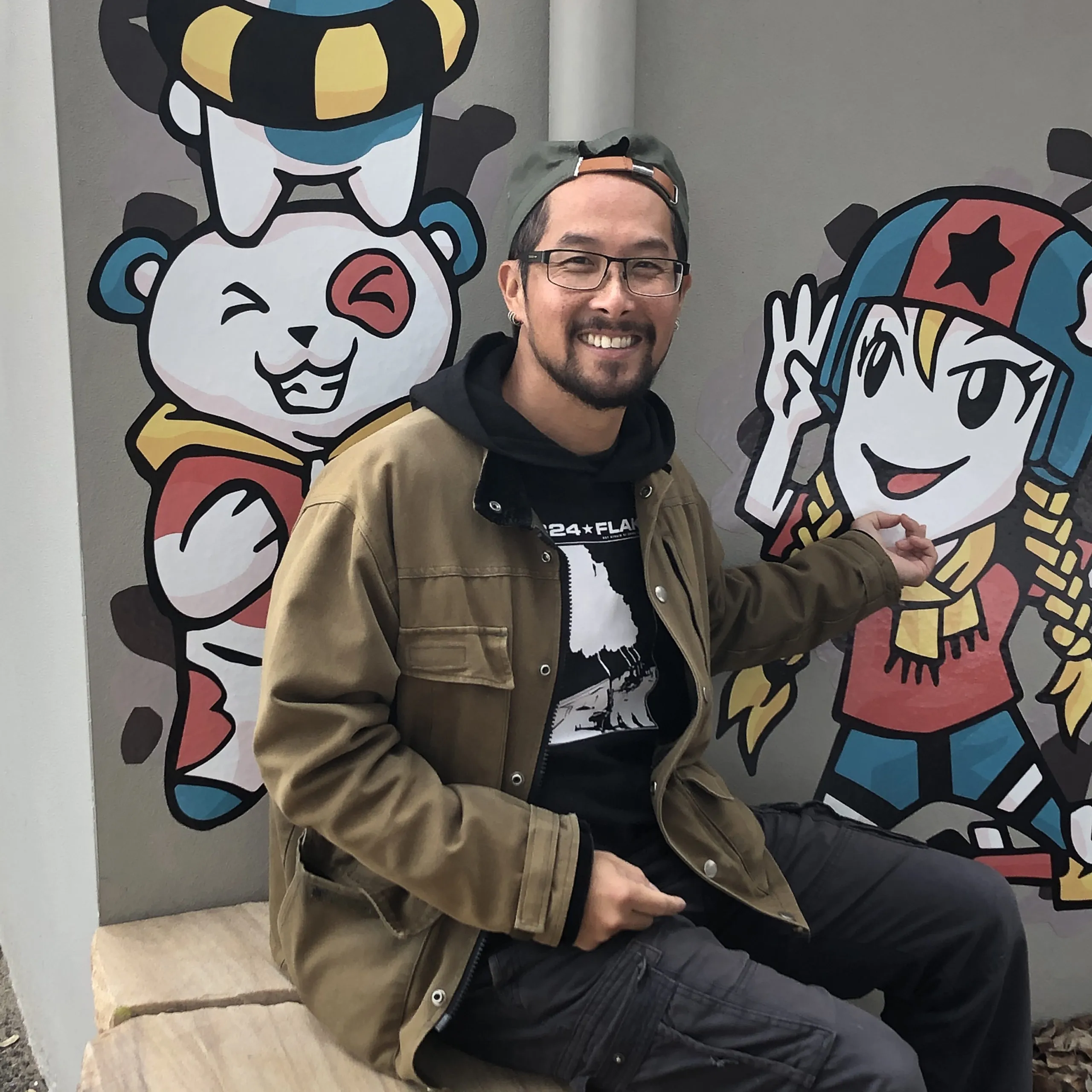
by Matthew Lin
Description
| This workshop will start with the first step on approaching a comic/graphic novel I’ll share examples of a script, thumbnail / rough sketches The process of drawing a comic/ rough sketch. Tight pencil drawing, inked artwork, colouring, adding speech bubbles / sound effects. |
Topics
| *The importance of thumbnails!!! * The use of angles for each frame. * Character creation. * The various positions within the comic industry, eg penciller, inker, colourist. * The impact of a double page spread. * How to approach your setting, ie foreground, middle ground and background. * The use of onomatopoeia. * How design of onomatopoeia, especially Western style comics vs Eastern (manga) can inhance a panel. * The reason for sketching / plotting before compared to jumping straight into a drawing and then running out of space. * The amount of time it takes to create / draw a comic. * Pros and cons of your characters design. * The use of various line widths. * Cover design. * Understanding how pages work with each other. * Directing the reader’s eye. * Examples of good and bad layouts. * Cropping a drawing |
Details
Audience
Primary (year 6) / Secondary Students
Duration
60 minutes – 3 hours (broken into 2 x 1.5 hr blocks).
Requirements
Whiteboard. I have my own whiteboard markers. Students to have access to paper and pencils (HB prefered) for drawing. Colouring pencils if they wish to colour – though not necessary. If a presentation is required – I have a MAC laptop. I have connection for HDMI cable. My slide presentation would be a pdf, no sound required. No internet required.